(can fit up to size XL)
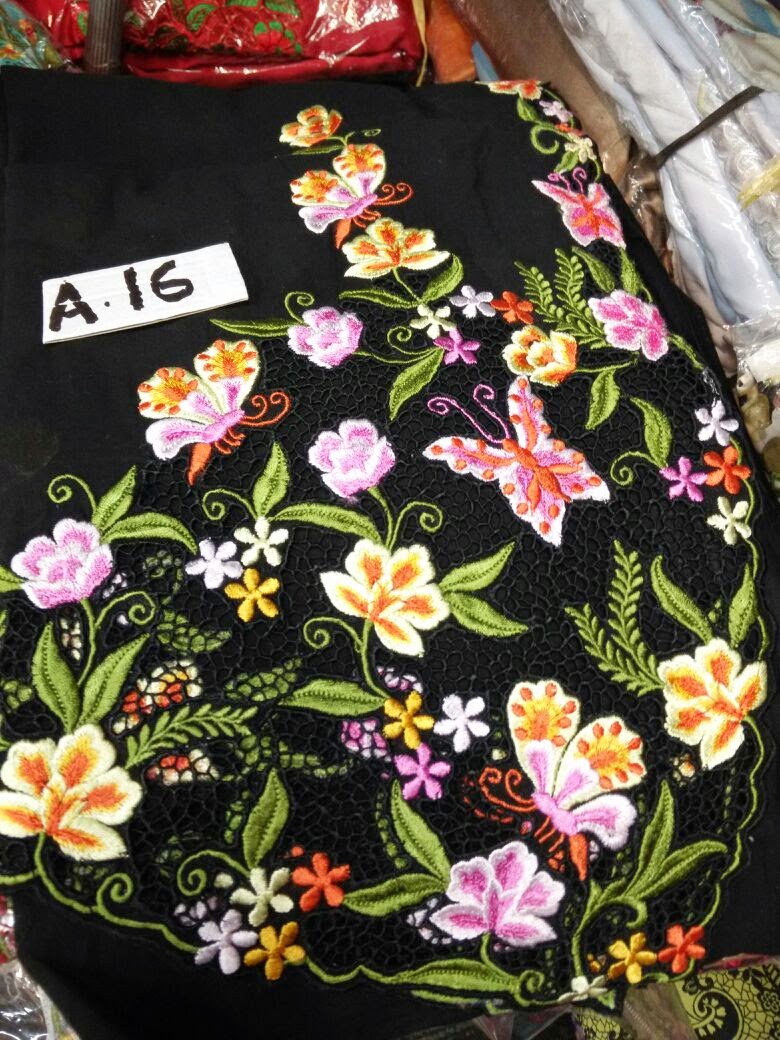
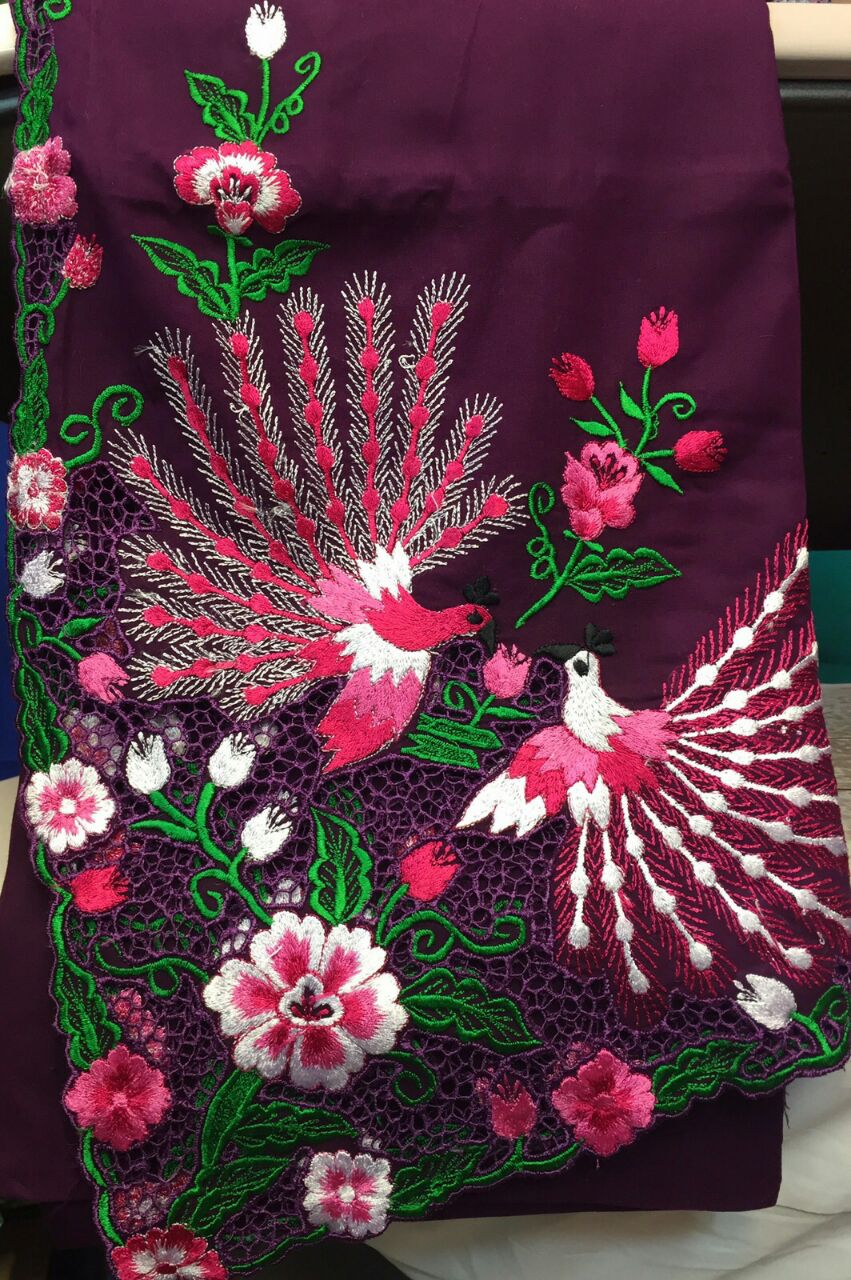
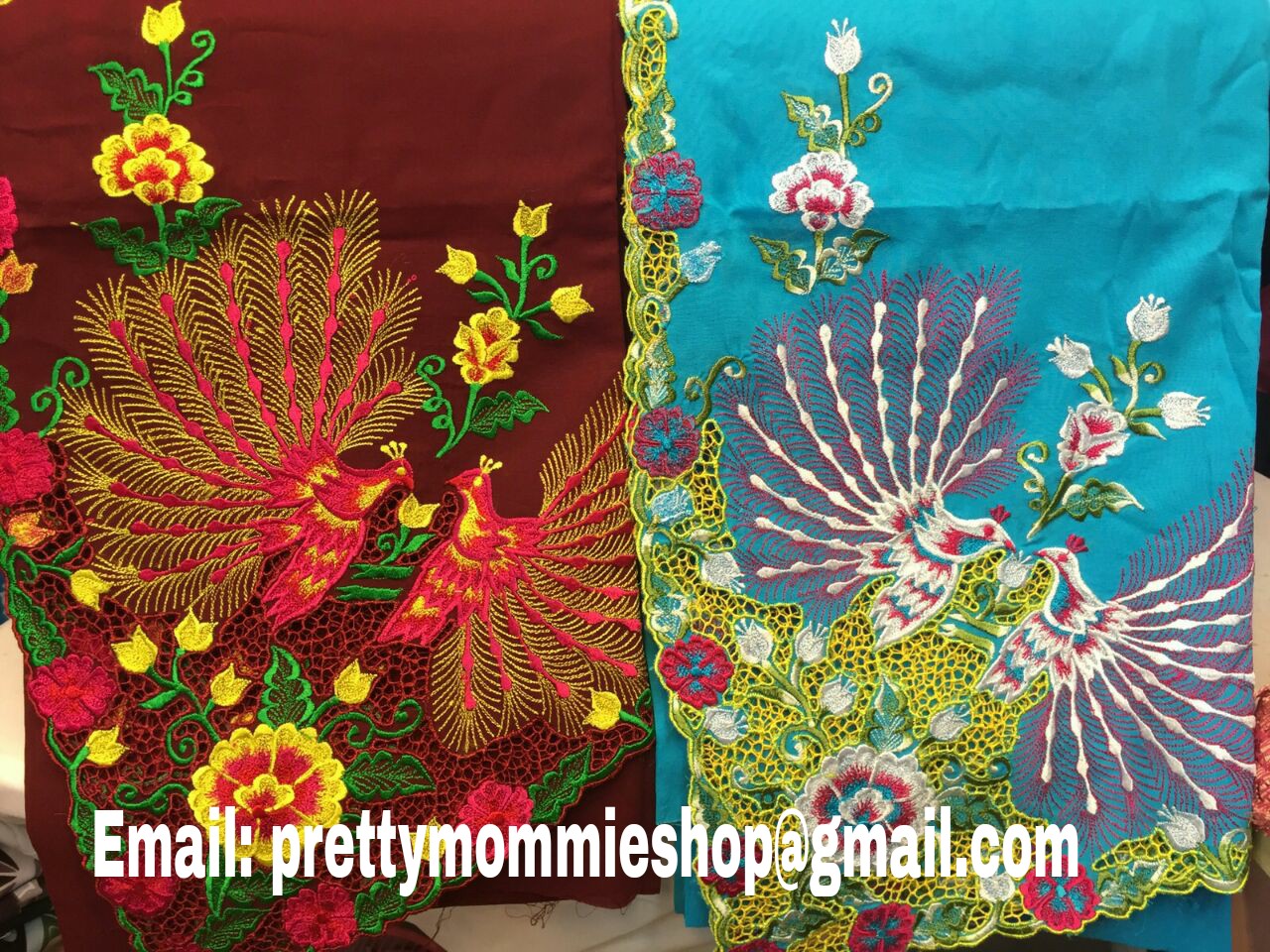
Ready stock! Available 3 nos/colors: Apple green, Orange, Purple pink.
![]() |
| Apple Green |
![]() |
| Corak terdapat pada belakang baju kebaya. |
![]() |
| Orange |
![]() | ||
![]() |
| Purple pink |
Kebaya Kiosk is 'sister' blog of Pretty Mommies E-shop .
We sell embroidered kebaya and kurong fabrics (not ready to wear), ready made kebaya and kurong sulam, lace fabrics, etc. We also provide ONLINE tailoring and embroidery making.
Price is INCLUSIVE of delivery with poslaju/pos ekspress (whichever is applicable) especially to Malaysian customer. As for international customer, please contact us for the delivery cost.
HOW TO BUY:
*NEED TO TAILOR MADE YOUR KEBAYA? WE WILL DO IT FOR YOU! JUST ADD RM45.00 (1 set of kebaya) OR RM30.00 (for baju only) FOR TAILORING SERVICE.*
Select your kebaya measurement from the size chart OR GIVE US YOUR MEASUREMENT. Select kebaya of your choice, and fill up the order form. It is so easy!
THANK YOU. PLEASE DROP BY AGAIN.
PLEASE NOTE THAT THE SIZES BELOW REPRESENT THE ACTUAL SIZE FOR THE KEBAYA AFTER TAILOR-MADE, AND NOT YOUR BODY MEASUREMENT. THANKS.
Small
Medium
Large
X Large
XX Large
![]() |
| Apple Green |
![]() |
| Corak terdapat pada belakang baju kebaya. |
![]() |
| Orange |
![]() | ||
![]() |
| Purple pink |
![]() |
| CTS03 WARNA UNGU MANGGIS |
![]() | ||
| CTS04 WARNA UNGU MUDA |
| KR02/2011 |
| KR03/2011 |
![]() |
| Sulam kerawang penuh pada depan baju dari bukaan leher ke kaki baju. |
![]() |
![]() |
| Corak bunga pada bahagian baju. |
![]() |
| Kain yang dipenuhi dengan corak bunga. |
![]() |
| 'Zoom' untuk corak bunga. |
![]() |
| Corak bunga bersulam manik yang penuh pada bahagian depan kain. |
![]() |
| Corak bunga untuk bahagiab tangan. |
![]() |
| Sweet nyerr.. |
*Tribute to Wikipedia. *
"Baju Kebaya adalah pakaian tradisional yang dikenakan oleh wanita Indonesia dan Malaysia yang dibuat dari kain kasa yang dikenakan dengan sarung, batik, atau pakaian tradisional yang lain seperti songket dengan motif warna-warni.
Dipercayai kebaya berasal daripada negara Arab dan membawa baju kebaya (yang Arabnya "abaya") ke Nusantara ratusan tahun yang lalu. Lalu menyebar ke Melaka, Jawa, Bali, Sumatera, dan Sulawesi. Setelah penyesuaian budaya yang berlangsung selama ratusan tahun, pakaian itu diterima oleh penduduk setempat.
Sebelum tahun 1600 di Pulau Jawa, kebaya adalah pakaian yang hanya dikenakan oleh golongan keluarga kerajaan di sana. Selama zaman penjajahan Belanda di Pulau ini, wanita-wanita Eropah mula mengenakan kebaya sebagai pakaian rasmi. Saban hari, kebaya diubah dari hanya menggunakan barang tenunan mori menggunakan sutera dengan sulaman warna-warni.
Pakaian yang mirip yang disebut "nyonya kebaya" diciptakan pertama kali oleh orang-orang Peranakan daripada Melaka. Mereka mengenakannya dengan sarung dan kasut cantik bermanik-manik yang disebut "kasut manek". Kini, nyonya kebaya sedang mengalami pembaharuan, dan juga terkenal dalam kalangan wanita bukan asia.
Terpisah daripada kebaya tradisional, ahli fesyen sedang mencari cara untuk memodifikasi desain dan membuat kebaya menjadi pakaian yang lebih moden. Kebaya yang dimodifikasi boleh dikenakan dengan seluar jeans."
The earliest form of Kebaya originates in the court of the Javanese Majapahit Kingdom as a means to blend the existing female Kemban, torso wrap of the aristocratic women to be more modest and acceptable to the newly adopted Islam religion. Aceh, Riau and Johor Kingdoms and Northern Sumatra adopted the Javanese style kebaya as a means of social expression of status with the more alus or refined Javanese overlords[3].
The name of Kebaya as a particular clothing type was noted by the Portuguese when they landed in Indonesia. Kebaya is associated with a type of blouse worn by Indonesian women in 15th or 16th century. Prior to 1600, kebaya on Java island were considered as a sacred clothing to be worn only by royal family, aristocrats (bangsawan) and minor nobility, in an era when peasant men and many women walked publicly bare-chested.
Slowly it naturally spread to neighbouring areas through trade, diplomacy and social interactions to Malacca, Bali, Sumatra, Borneo, Sulawesi and the Sultanate of Sulu and Mindanao [4][5][6] Javanese kebaya as known today were noted by Raffles in 1817, as being of silk, brocade and velvet, with the central opening of the blouse fastened by brooches, rather than button and button-holes over the torso wrap kemben, the kain (and unstitched wrap fabric several metres long erroneously termed 'sarong in English (a sarung (Malaysian accent: sarong) is stitched to form a tube, like a Western dress) After hundreds of years of regional acculturation, the garments have become highly localised expressions of ethnic culture, artistry and tailoring traditions.
The blouse, known as baju kebaya may be of two main form: the semi-transparent straighter cut blouse of the Java, Bali and the more tightly tailored Sunda kebaya and the more Islamic compatible, plainer baju kurung is a loose-fitting, knee-length long-sleeved blouse worn in the more adherent Muslim areas- including former Kingdom of Johor-Riau (now Malaysia), Sumatra and parts of coastal Java.In Java, Bali and Sunda, the kain is commonly batik which may be from plain stamped cotton to elaborately hand-painted batik tulis embroidered silk with gold thread. In Lampung, the kain is the traditional tapis- an elaborate gold-thread embroidered ikat with small mica discs.[10] Sumatera, Flores, Lemata Timor, and other islands commonly use kain of ikat or songket. Sumba is famous for kain decorated with lau hada: shells and beads.[11]
During Dutch colonization of the island, European women began wearing the less restrictive and cooler kebaya as a formal or social dress. European women wore shorter sleeve and total length cotton in prints.
The day kebaya of the Eurasians was of white cotton trimmed with European handmade lace- commonly from Bruges or Holland and black silk for evening wear.
In the Malacca region, a different variety of kebaya is called "nyonya kebaya" worn by those of Chinese ancestry: the Peranakan people. The Nyonya kebaya is different in its' famously intricately hand-beaded shoes (kasut manek) and use of kain with Chinese motive batik or imported printed or hand-painted Chinese silks.